🎯 Quick Answer
What are the best California native plants for San Francisco?
✓ California Lilac (Ceanothus) - Stunning blue flowers, drought-tolerant
✓ California Fuchsia - Red-orange blooms, attracts hummingbirds
✓ Pacific Coast Iris - Purple/blue flowers, thrives in fog
✓ California Poppy - State flower, reseeds annually
✓ Toyon (California Holly) - Red berries, bird habitat
✓ Manzanita - Beautiful red bark, architectural form
Best planting time: October-December. Water savings: 80% less than lawns once established.
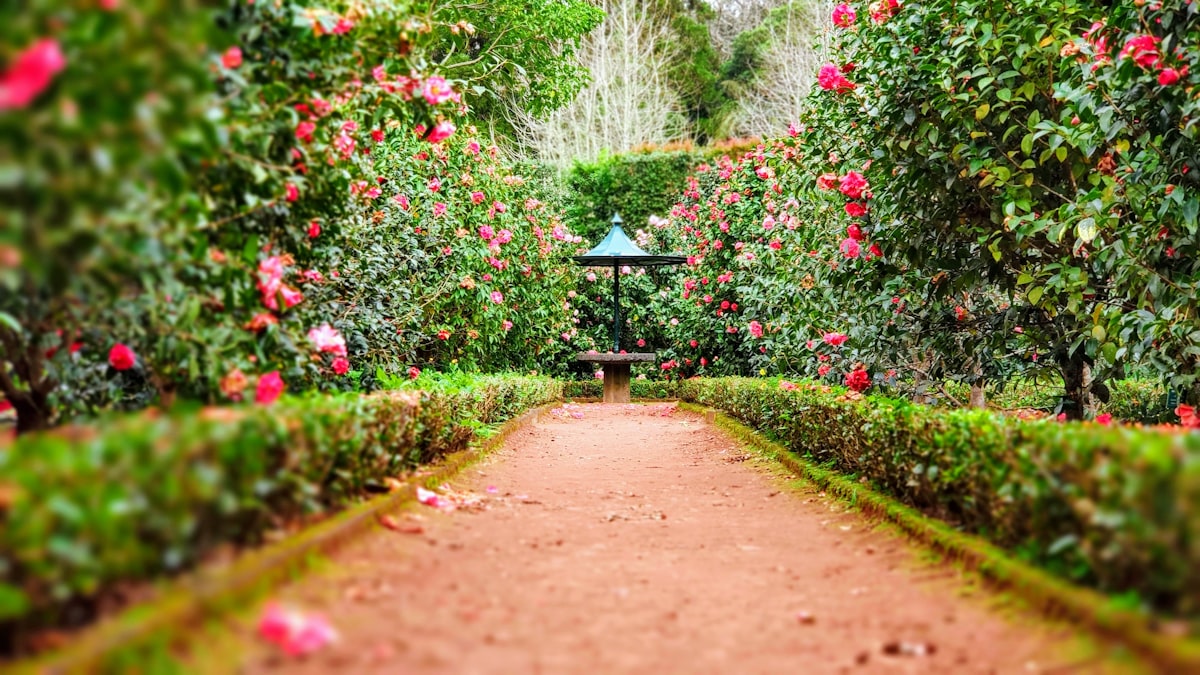
San Francisco's unique Mediterranean climate—with cool, foggy summers and mild, wet winters—creates the perfect environment for California native plants. These plants have evolved over thousands of years to thrive in our specific conditions, making them the smartest choice for sustainable, low-maintenance landscaping that supports local ecosystems.
Why Choose Native California Plants in San Francisco?
Native plants aren't just environmentally friendly—they're specifically adapted to San Francisco's microclimates, from the windy Richmond District to the sunny Mission. Here's why they should be the foundation of your landscape:
Key Benefits
- Water Conservation: Native plants require 80% less water once established compared to traditional lawns
- Low Maintenance: No fertilizers needed, minimal pruning, naturally pest-resistant
- Wildlife Support: Attracts native birds, butterflies, and pollinators essential to Bay Area ecosystems
- Drought Resilient: Thrives during California's dry summers without supplemental irrigation
- Year-Round Beauty: Many species offer seasonal blooms, colorful foliage, and interesting textures
Top Native California Plants for San Francisco Gardens
1. California Lilac (Ceanothus)
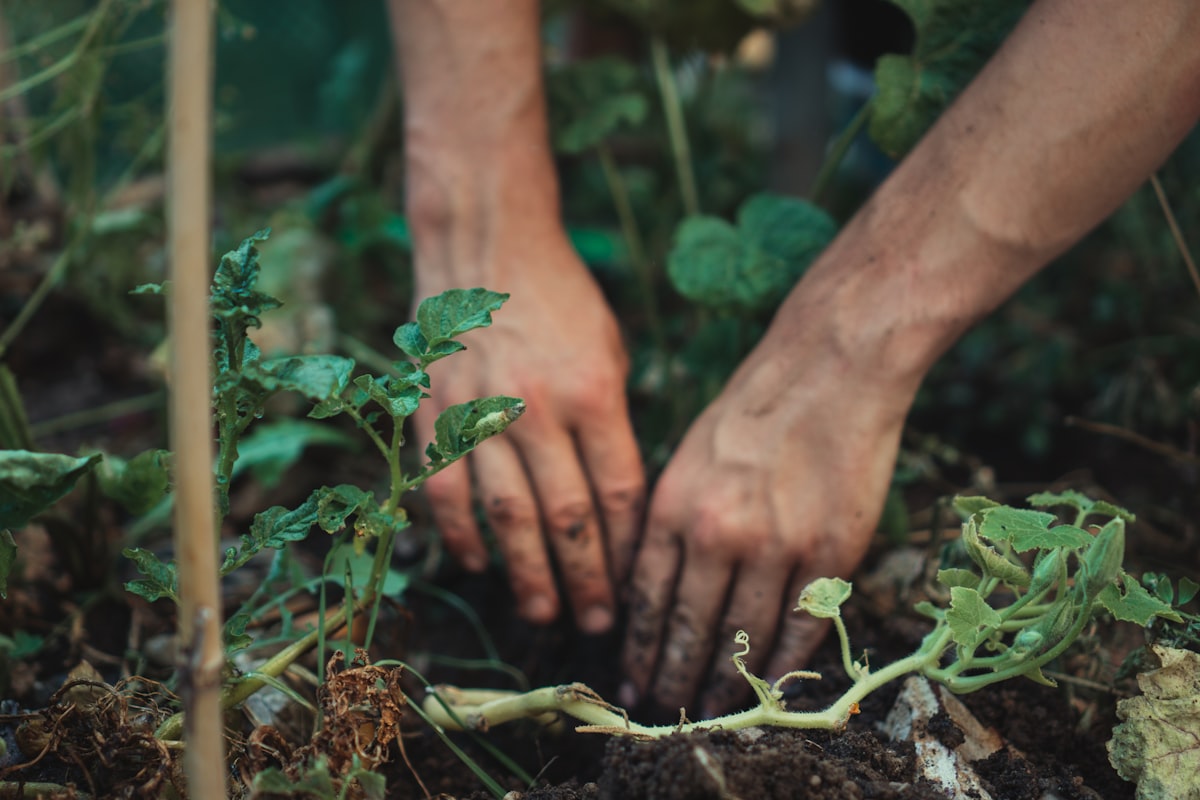
Perfect for: Slopes, hedges, and specimen plantings
One of the most spectacular native shrubs, California Lilac produces stunning clusters of blue, purple, or white flowers in spring. It's incredibly drought-tolerant once established and attracts butterflies and hummingbirds.
Growing Tips:
- Height: 3-15 feet (varieties available)
- Sun: Full sun to partial shade
- Water: Low (once established)
- Soil: Well-draining, tolerates clay
- Best varieties for SF: 'Ray Hartman', 'Joyce Coulter', 'Dark Star'
2. California Fuchsia (Epilobium canum)
Perfect for: Ground cover, borders, hummingbird gardens
This low-growing perennial produces brilliant red-orange tubular flowers from late summer through fall—exactly when hummingbirds are migrating. It spreads nicely to create a colorful ground cover and tolerates poor soil.
Growing Tips:
- Height: 1-3 feet
- Sun: Full sun to partial shade
- Water: Low to moderate
- Bloom time: August-November
- Great for: Coastal gardens, foggy areas
3. Pacific Coast Iris (Iris douglasiana)
Perfect for: Borders, rock gardens, coastal gardens
These elegant perennials produce stunning flowers in shades of purple, blue, cream, and white in spring. Their grass-like foliage provides year-round texture, and they're incredibly hardy in San Francisco's coastal conditions.
Growing Tips:
- Height: 1-2 feet
- Sun: Partial shade to full sun
- Water: Low (tolerates summer drought)
- Bloom time: March-May
- Bonus: Deer resistant
4. Toyon (Heteromeles arbutifolia)
Perfect for: Privacy screens, hedges, bird habitat
Also known as California Holly, Toyon is an evergreen shrub that produces white flowers in summer followed by bright red berries in winter—a critical food source for birds. It's the plant that gave Hollywood its name!
Growing Tips:
- Height: 8-15 feet (can be pruned smaller)
- Sun: Full sun to part shade
- Water: Low once established
- Wildlife value: Excellent for birds
- Berries: Persist through winter
5. California Poppy (Eschscholzia californica)
Perfect for: Wildflower meadows, borders, mass plantings
Our state flower! These cheerful orange (and yellow, white, red) poppies self-seed readily and create stunning displays from spring through summer. They're perfect for low-water areas and attract pollinators.
Growing Tips:
- Height: 12-18 inches
- Sun: Full sun
- Water: Very low (drought tolerant)
- Reseeds: Annual that returns yearly
- Best planted: Fall for spring blooms
6. Manzanita (Arctostaphylos)
Perfect for: Specimen plants, slopes, xeriscapes
With stunning smooth red bark, delicate bell-shaped flowers, and architectural form, Manzanitas are show-stoppers. Many species are native to the Bay Area and thrive in San Francisco's climate.
Growing Tips:
- Height: 1-20 feet (species dependent)
- Sun: Full sun to light shade
- Water: Very low once established
- Best varieties: 'Sunset', 'Howard McMinn', 'Dr. Hurd'
- Caution: Don't overwater in summer
Native Grasses for San Francisco Landscapes
Native grasses provide movement, texture, and habitat while requiring minimal care. They're excellent lawn alternatives or accent plants.
| Plant Name | Height | Best Use | Features |
|---|---|---|---|
| California Fescue | 12-18" | Lawn alternative | Blue-green, stays green year-round |
| Deer Grass | 3-4 ft | Specimen, borders | Fountain-like form, golden fall color |
| Blue Grama Grass | 12-15" | Ground cover | Unique eyelash seed heads |
| Sedge (Carex) | 6-24" | Shade gardens | Tolerates shade and moisture |
Planting Calendar for San Francisco
Best Times to Plant Native Species
Fall (October-December) - BEST SEASON
Plant most natives in fall for best establishment. Winter rains help roots develop before summer.
Winter (January-March)
Still good for planting shrubs and trees. Avoid planting during heavy rain events.
Spring (April-May)
Good for wildflowers and perennials. Water more frequently until established.
Summer (June-September) - AVOID
Not recommended. Plants struggle with heat stress and require excessive watering.
Design Tips: Creating a Stunning Native Garden
1. Layer Your Plantings
Create depth by using plants of different heights:
- Canopy Layer: Oaks, Bay Laurel (for larger gardens)
- Understory: Toyon, Manzanita, California Lilac
- Shrub Layer: Coyote Brush, Coffeeberry, Sage
- Ground Layer: California Fescue, Wild Strawberry, Ferns
2. Group by Water Needs
Even drought-tolerant plants need different amounts of water. Group plants with similar needs together (called "hydrozoning") to maximize water efficiency and plant health.
3. Create Year-Round Interest
Choose plants that bloom in different seasons:
- Winter/Spring: Ceanothus, Manzanita, Iris
- Spring/Summer: California Poppy, Lupine
- Summer/Fall: California Fuchsia, Buckwheat
- Winter Interest: Toyon berries, Manzanita bark
Common Mistakes to Avoid
Don't Do This!
- Overwatering in summer: Most natives prefer dry summers. Overwatering causes root rot.
- Using fertilizer: Natives adapted to poor soils. Fertilizer causes excessive growth and reduces flowering.
- Planting in summer: High stress period for new plants. Wait until fall.
- Mixing natives with high-water plants: Creates conflicting watering needs.
- Ignoring microclimates: A plant that thrives in sunny Noe Valley may struggle in foggy Outer Sunset.
Where to Buy Native Plants in San Francisco
Purchase locally-grown natives from reputable nurseries for best results:
- Flora Grubb Gardens (Bayview) - Excellent selection of California natives
- Sloat Garden Center (Multiple locations) - Good native plant section
- Bay Natives (East Bay) - Specializes in Bay Area native plants
- Yerba Buena Nursery (Woodside) - Extensive native selection
- California Native Plant Society sales - Spring and fall plant sales
Professional Native Plant Installation
Want a professionally designed native garden that thrives for decades? Our landscape design team specializes in sustainable, water-wise gardens using California native plants perfectly suited to San Francisco's microclimates.
We'll help you select the right plants for your specific location, design a beautiful low-maintenance garden, and install everything properly for long-term success.
Text Us for Free ConsultationFrequently Asked Questions
Do native plants really need no water?
Not quite. While established native plants are extremely drought-tolerant, they still need water during their first 1-2 years while developing deep root systems. After establishment, most need little to no supplemental water in San Francisco's climate, though occasional deep watering during extended droughts helps them thrive.
Will my garden look "wild" or messy with native plants?
Absolutely not! With proper design and plant selection, native gardens can be formal, modern, cottage-style, or any aesthetic you prefer. Many natives have refined forms and stunning flowers. The key is thoughtful design and occasional maintenance (pruning, deadheading).
Can I mix California natives with other plants?
Yes, but be mindful of water needs. Natives pair well with other Mediterranean climate plants (rosemary, lavender, oregano) that prefer dry summers. Avoid mixing with high-water plants like traditional lawns or tropical species.
Which natives work best in foggy areas like the Sunset or Richmond?
Coastal natives thrive in fog: California Fuchsia, Pacific Coast Iris, Coffeeberry, Coyote Brush, and many ferns. These plants evolved on California's foggy coast and actually benefit from the moisture and cool temperatures.
Ready to Transform Your Garden with Native Plants?
Our expert team creates stunning, sustainable landscapes using California native plants perfectly suited to your San Francisco location. From design to installation to ongoing care, we'll help you create a beautiful, eco-friendly garden that thrives for years.